
Introduction: The Customer Service Debate Every European Business Is Facing
A customer lands on your website at 11 PM with a question about pricing. Do they want an AI chatbot that responds instantly, or would they rather wait until morning to speak with a human agent?
For years, businesses viewed this as an either-or decision. Either automate support with AI chatbots or invest heavily in human customer service teams. However, in 2026, the conversation has become significantly more sophisticated.
European customers are no longer asking whether businesses use AI. They expect it. At the same time, they still value human expertise, empathy, and personalized assistance for complex situations. The real challenge for businesses is understanding where AI excels, where humans remain essential, and how to create a support experience that satisfies modern customer expectations.
As AI technology advances through Generative AI, Retrieval-Augmented Generation (RAG), conversational intelligence, and multilingual language models, organizations across Europe are rethinking customer support strategies. From eCommerce brands in Germany to fintech companies in the Netherlands and healthcare providers in France, the question remains the same: AI chatbot vs live agent—which one do customers actually prefer?
The answer may surprise you.
The State of Customer Support in Europe in 2026
European consumers have become more digitally sophisticated than ever before. They regularly interact with AI-powered systems while shopping online, managing bank accounts, booking travel, and accessing public services.
Several trends are shaping customer expectations:
- Demand for instant responses
- Preference for self-service options
- Increased expectations around personalization
- Strong focus on data privacy and GDPR compliance
- Growing acceptance of AI-powered interactions
- Higher expectations for seamless omnichannel experiences
Customers no longer judge support solely by who answers the question. They judge it by how quickly and effectively their issue gets resolved.
In many cases, customers care less about whether they are speaking with AI or a human and more about whether they receive accurate, helpful answers without unnecessary delays.
Understanding AI Chatbots in 2026
Modern AI chatbots have evolved far beyond the scripted bots of the past.
Today’s AI systems can:
- Understand natural language
- Handle multiple languages simultaneously
- Access company knowledge bases
- Personalize responses based on customer history
- Integrate with CRM platforms
- Escalate conversations intelligently
- Generate human-like responses
- Learn from interactions
Powered by advanced Large Language Models (LLMs), AI chatbots can now resolve a significant percentage of customer inquiries without human intervention.
Common AI Chatbot Use Cases
Customer Support
- Order tracking
- Refund requests
- Account management
- Password resets
- Product information
Sales Assistance
- Product recommendations
- Lead qualification
- Pricing inquiries
- Demo scheduling
Technical Support
- Troubleshooting guidance
- Knowledge base search
- Software onboarding
Internal Business Operations
- Employee support
- HR inquiries
- IT helpdesk automation
Why European Customers Like AI Chatbots
1. Instant Response Times
Speed remains one of the biggest advantages of AI.
Customers no longer want to wait:
- 20 minutes on hold
- Several hours for email responses
- Days for issue resolution
AI chatbots provide immediate assistance regardless of time zone or business hours.
For many routine inquiries, instant support outweighs the desire to speak with a human.
2. 24/7 Availability
European businesses increasingly serve global audiences.
Customers expect assistance:
- During weekends
- Public holidays
- Late-night shopping sessions
- International travel
AI chatbots never sleep, making them particularly attractive for eCommerce, SaaS, and travel companies.
3. Faster Self-Service Experiences
Many customers actually prefer solving simple issues themselves.
Examples include:
- Tracking shipments
- Updating account information
- Finding documentation
- Checking subscription status
AI enables customers to obtain answers without waiting for agent availability.
4. Multilingual Support
Europe’s linguistic diversity presents unique customer service challenges.
Modern AI chatbots can communicate in:
- English
- German
- French
- Spanish
- Italian
- Dutch
- Portuguese
- Scandinavian languages
This significantly improves accessibility and customer satisfaction.
5. Consistent Information
Human agents may occasionally provide inconsistent answers.
AI systems can pull information directly from approved company resources, ensuring:
- Accurate responses
- Policy compliance
- Consistent messaging
Where Human Support Still Wins
Despite rapid AI advancements, human agents continue to dominate certain support scenarios.
1. Emotional and Sensitive Conversations
Customers experiencing frustration, disappointment, or anxiety often prefer speaking with a real person.
Examples include:
- Billing disputes
- Service failures
- Insurance claims
- Healthcare concerns
- Travel disruptions
Humans excel at:
- Empathy
- Emotional intelligence
- Active listening
- Relationship building
AI can simulate empathy, but customers frequently recognize the difference.
2. Complex Problem Solving
Not every issue follows a predictable pattern.
Complex situations often require:
- Critical thinking
- Context interpretation
- Negotiation
- Creative decision-making
Human agents remain superior when unique circumstances arise.
3. High-Value Customer Relationships
Enterprise clients often expect personalized service.
For B2B organizations, human relationships help:
- Build trust
- Increase retention
- Improve customer loyalty
- Support account growth
A chatbot may answer questions, but strategic relationships are built by people.
4. Escalation and Exception Handling
Some situations require authority and judgment.
Examples include:
- Refund approvals
- Contract modifications
- Service exceptions
- Complaint resolution
Human agents provide flexibility that AI systems currently struggle to match.
AI Chatbot vs Live Agent: What Customers Actually Prefer
The most important finding emerging across European markets is this:
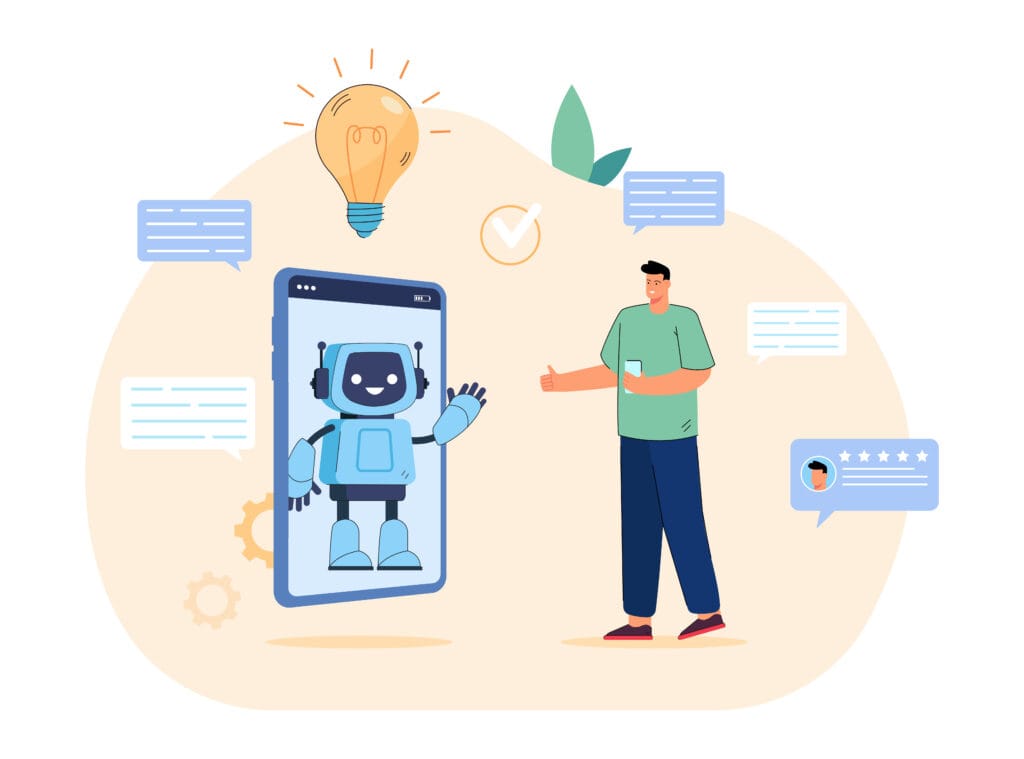
Customers do not overwhelmingly prefer AI chatbots or human agents. They prefer the right support channel for the right situation.
This shift represents a major evolution in customer expectations.
Customers Prefer AI When:
- Questions are simple
- Speed matters
- Information is readily available
- Support is needed outside business hours
Customers Prefer Humans When:
- Problems are complicated
- Emotions are involved
- Financial implications are significant
- Trust and reassurance are required
The debate is no longer AI chatbot vs live agent.
Instead, it has become:
AI chatbot plus live agent.
The Hybrid Support Model Is Winning in Europe
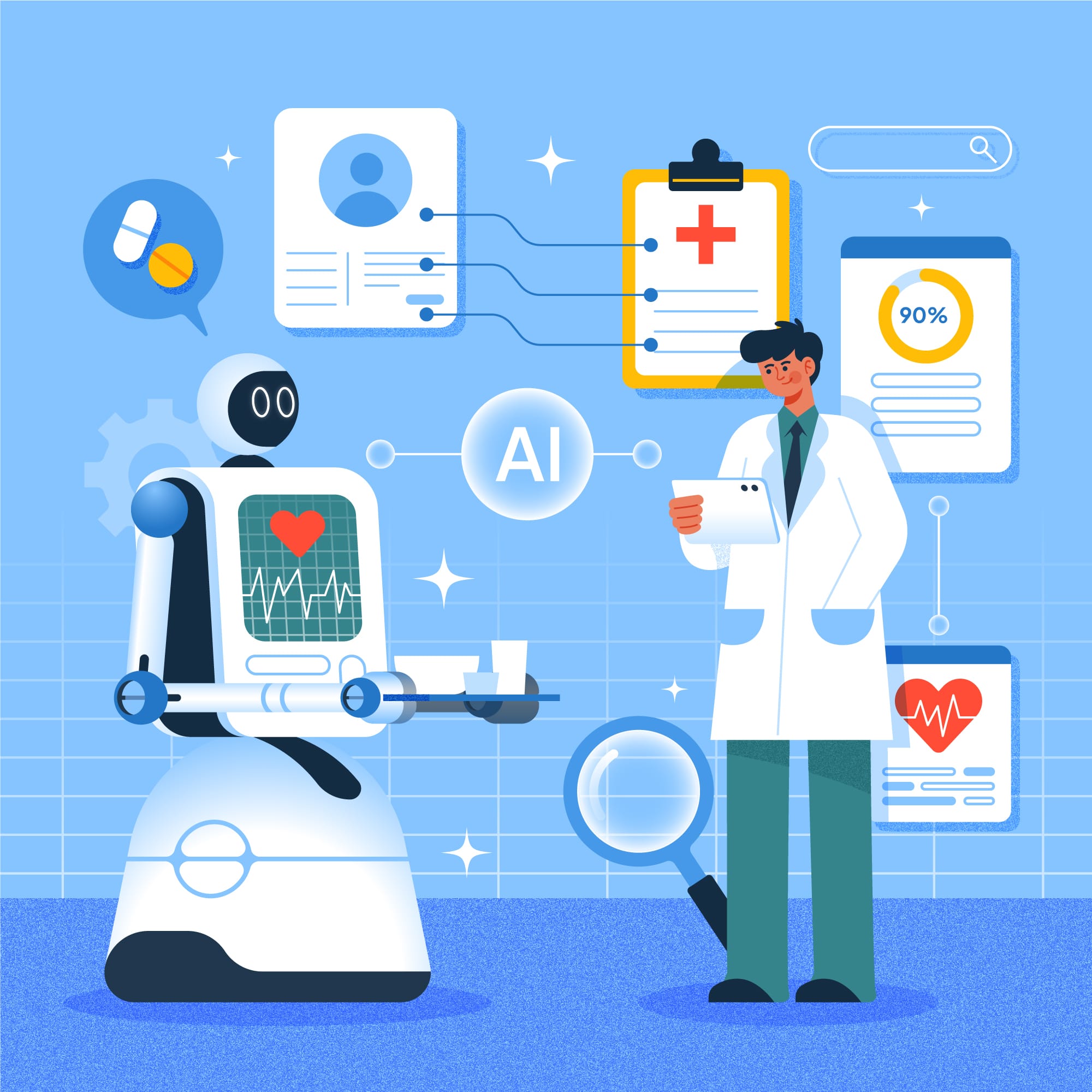
Leading European companies are adopting hybrid customer service models.
In this approach:
- AI handles routine inquiries.
- AI gathers customer context.
- AI resolves simple issues.
- Complex cases are transferred to humans.
- Human agents receive complete conversation history.
This creates a seamless experience.
Customers avoid repeating information, while support teams become more efficient.
Benefits include:
- Faster response times
- Lower support costs
- Improved customer satisfaction
- Better agent productivity
- Higher resolution rates
Practical Example: European eCommerce Store
Imagine a fashion retailer serving customers across Germany, France, and Spain.
AI Chatbot Handles
- Order tracking
- Return requests
- Product availability
- Delivery estimates
- Store policies
Human Agent Handles
- Escalated complaints
- Damaged shipment disputes
- VIP customer requests
- Special order arrangements
Result:
- Faster support
- Reduced operational costs
- Improved customer experience
Customers receive immediate assistance while retaining access to human support when necessary.
Practical Example: SaaS Company
A software company serving businesses throughout Europe receives thousands of support requests each month.
AI Chatbot Responsibilities
- User onboarding
- Knowledge base guidance
- Password recovery
- Feature explanations
- Troubleshooting workflows
Human Support Responsibilities
- Technical escalations
- Integration challenges
- Enterprise account support
- Strategic consultations
This model allows support teams to focus on high-value interactions rather than repetitive questions.
Key Benefits of AI Chatbots for Businesses
Reduced Support Costs
AI can automate a large percentage of repetitive inquiries.
Benefits include:
- Lower staffing requirements
- Reduced operational expenses
- Improved scalability
Increased Efficiency
Support agents spend less time on routine tasks.
This enables teams to focus on:
- Complex cases
- Customer retention
- Revenue-generating activities
Better Availability
Businesses can provide support around the clock without significantly increasing costs.
Improved Data Collection
AI systems capture valuable insights regarding:
- Customer behavior
- Common pain points
- Product issues
- Frequently asked questions
Key Benefits of Human Support
Stronger Customer Relationships
Human interaction remains essential for trust-building.
Customers often remember excellent human service long after the interaction ends.
Higher Satisfaction for Complex Cases
When customers face difficult problems, human expertise creates confidence.
Better Brand Representation
Human agents embody company values and culture in ways AI cannot fully replicate.
Increased Customer Loyalty
Personalized assistance often leads to:
- Higher retention rates
- More referrals
- Stronger long-term relationships
How Generative AI Is Changing the Equation
Generative AI is dramatically improving chatbot capabilities.
Modern AI assistants can:
- Understand intent more accurately
- Generate natural responses
- Summarize conversations
- Recommend next actions
- Retrieve knowledge instantly
However, the biggest impact may not be replacing human agents.
Instead, AI increasingly acts as a support tool for human teams.
Examples include:
- Suggested responses
- Conversation summaries
- Knowledge retrieval
- Ticket prioritization
- Sentiment analysis
This creates a more productive and effective support organization.
What European Businesses Should Do in 2026
Organizations evaluating the AI chatbot vs live agent question should avoid extreme approaches.
Do Not
- Replace all human support with AI
- Force customers into chatbot-only experiences
- Ignore escalation pathways
Do
- Deploy AI for repetitive tasks
- Maintain human support for complex situations
- Build seamless handoff processes
- Train agents to work alongside AI
- Measure customer satisfaction continuously
The most successful companies are not choosing one over the other.
They are combining both intelligently.
Future Outlook: Customer Support Beyond 2026
Looking ahead, AI capabilities will continue improving.
We can expect:
- More personalized conversations
- Better multilingual support
- Improved contextual understanding
- Advanced voice assistants
- Predictive customer service
Even with these advances, human support is unlikely to disappear.
Instead, support teams will become smaller, more specialized, and more strategic.
Humans will focus on:
- Relationship management
- High-value interactions
- Complex problem solving
- Emotional support
AI will handle everything else.
The Real Question Isn’t AI Chatbot vs Live Agent—It’s Customer Experience
Many businesses still approach customer support as a technology decision. They compare costs, automation capabilities, staffing requirements, and response times. While these factors matter, they often overlook the most important perspective: the customer.
When customers contact support, they are not thinking about the AI chatbot vs live agent debate. They are thinking about a much simpler question:
“Can you solve my problem quickly and effectively?”
This shift in perspective is transforming customer service strategies across Europe. The most successful companies are no longer measuring support channels individually. Instead, they are evaluating the entire customer journey from start to finish.
Consider a customer who wants to track an online order. Speaking with a live agent may feel unnecessary if an AI chatbot can provide the answer instantly. On the other hand, if that same customer receives a damaged product and is frustrated after multiple failed delivery attempts, a human conversation becomes significantly more valuable.
This demonstrates an important reality: customer preferences are highly situational. The preferred support channel changes depending on urgency, complexity, emotional context, and the value of the interaction.
Forward-thinking European businesses are responding by designing support ecosystems rather than isolated support channels. AI chatbots serve as the first layer of assistance, handling routine inquiries and reducing friction. Human agents become specialists who step in when empathy, judgment, or advanced problem-solving is required.
The result is a customer experience that feels both efficient and personal.
Another trend emerging in 2026 is proactive support. Instead of waiting for customers to ask questions, AI systems can anticipate issues, recommend solutions, and provide relevant information before frustration occurs. Human agents then focus on building relationships and creating memorable service experiences that strengthen customer loyalty.
Ultimately, the future of customer support is not about choosing sides in the AI chatbot vs live agent discussion. Businesses that frame it as a competition may miss significant opportunities. The real competitive advantage comes from understanding how AI and human expertise complement one another.
Companies that strike this balance will not only reduce support costs but also create the seamless, responsive, and customer-centric experiences that European consumers increasingly expect.
Conclusion
The answer to the AI chatbot vs live agent debate is no longer a simple choice between automation and human interaction.
European customers in 2026 expect both.
They appreciate AI chatbots for their speed, convenience, availability, and efficiency. At the same time, they continue to value human agents for empathy, expertise, trust, and complex problem resolution.
The businesses achieving the highest customer satisfaction are not replacing people with AI. They are creating intelligent hybrid support systems where AI handles routine interactions and human agents focus on moments that truly require a human touch.
For organizations across Europe, the winning strategy is clear: leverage AI to improve efficiency while preserving meaningful human connections. Companies that successfully balance these elements will deliver superior customer experiences, reduce costs, and build stronger customer loyalty in the years ahead.
If your business is evaluating customer support technology, now is the ideal time to implement an AI-first support strategy that enhances—not replaces—your human team.
Frequently Asked Questions (FAQs)
Do customers prefer AI chatbots or live agents in 2026?
Most customers prefer a combination of both. They use AI chatbots for quick answers and routine tasks but prefer live agents for complex or emotionally sensitive issues.
Can AI chatbots completely replace human customer support?
No. While AI can automate many repetitive tasks, human agents remain essential for problem-solving, relationship building, and handling complex customer situations.
Are AI chatbots popular among European consumers?
Yes. European consumers increasingly accept AI-powered customer support, especially when it provides fast, accurate, and multilingual assistance.
What industries benefit most from AI chatbots?
Industries such as eCommerce, SaaS, fintech, healthcare, travel, telecommunications, and customer service operations benefit significantly from AI chatbot implementation.
What is the best customer support strategy for businesses in 2026?
A hybrid model combining AI chatbots and human agents is considered the most effective approach. It balances efficiency, cost savings, and customer satisfaction.