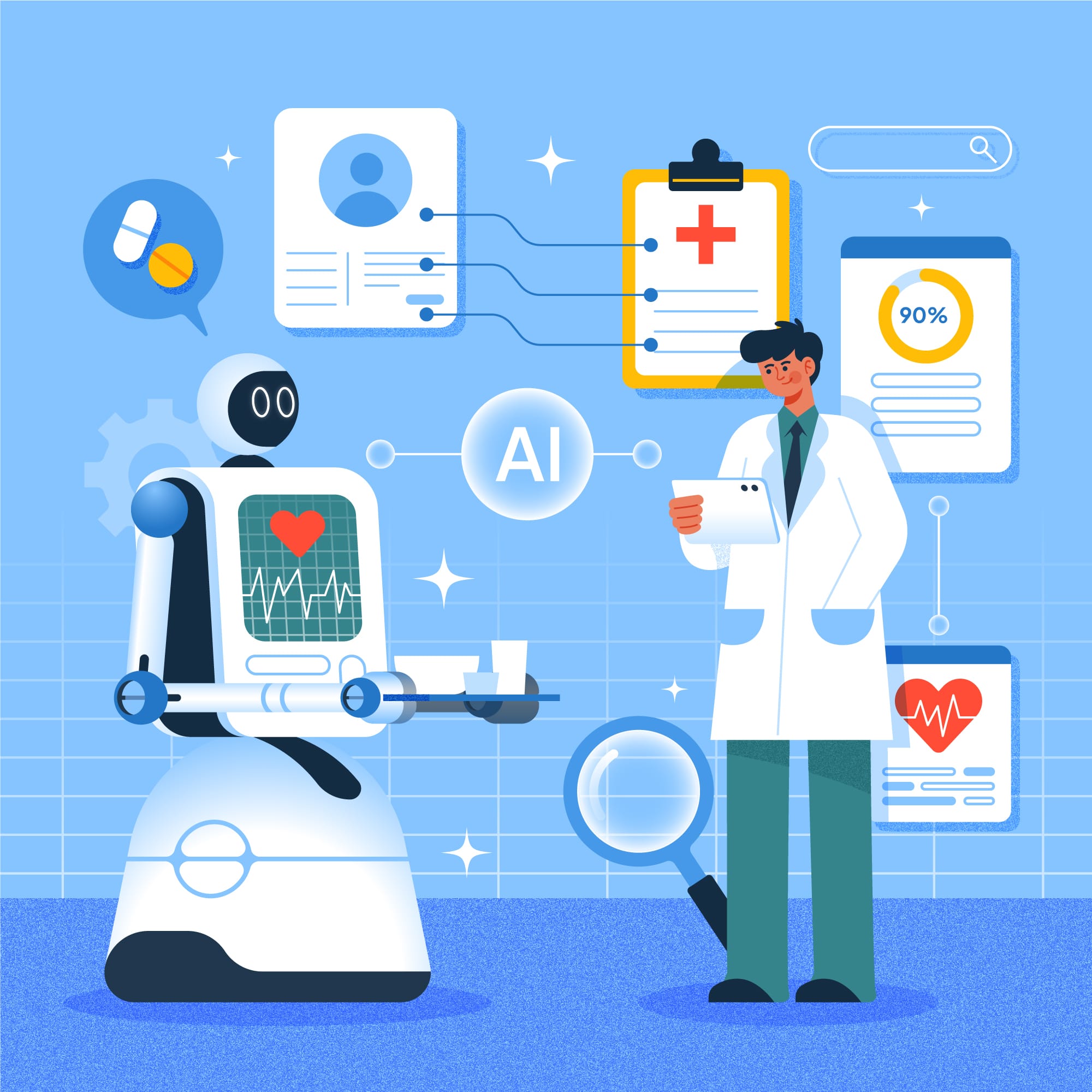

In 2026, artificial intelligence is no longer just a tool that “generates” content. It is a creative collaborator. What began as simple text-to-image systems has evolved into full-scale AI-driven 3D modeling and video production pipelines that reshape how brands, studios, game developers, and independent creators work.
The shift from generation to creation is not semantic. It marks a structural change in digital production workflows. AI now supports ideation, asset creation, animation, editing, optimization, and distribution—often in a single integrated environment.
In this comprehensive guide, we explore how AI-driven 3D and video production works in 2026, the technologies powering it, the industries benefiting most, and how businesses can strategically adopt these systems for competitive advantage.
The Evolution of AI in Creative Production
The journey from early generative AI tools to today’s sophisticated creative systems has been rapid and transformative.
Phase 1: Content Generation (2022–2023)
Early AI systems focused on:
- Text-to-image models
- Basic text-to-video experiments
- Automated script generation
- AI voiceovers
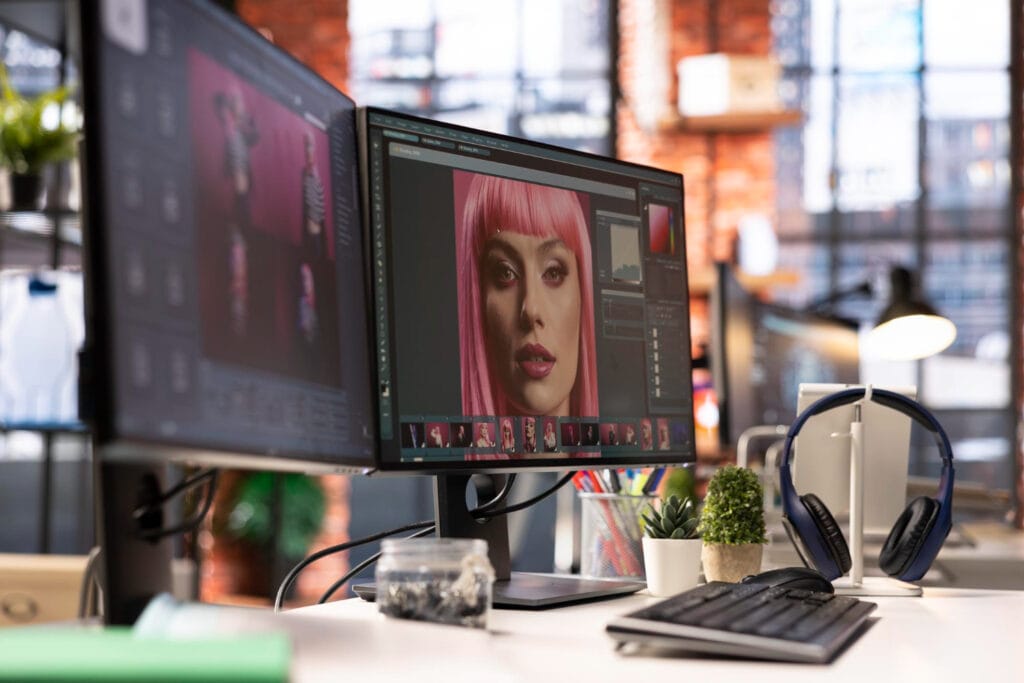
Platforms like OpenAI and Runway demonstrated that machines could produce impressive visual and audiovisual outputs from simple prompts. However, the outputs often required heavy manual correction.
Phase 2: Workflow Augmentation (2024–2025)
AI tools began integrating directly into creative software ecosystems such as:
- Autodesk
- Blender Foundation
- Adobe
At this stage, AI assisted with:
- Auto-rigging
- Texture generation
- Motion interpolation
- Scene layout suggestions
- Smart editing
Human creators still controlled the process, but AI significantly reduced production time.
Phase 3: AI-Native Creation (2026)
In 2026, AI systems:
- Generate production-ready 3D assets
- Simulate physics in real-time
- Produce cinematic-quality video from storyboards
- Adapt content dynamically for different platforms
AI is no longer just a helper—it is embedded into the creative infrastructure.
What Is AI-Driven 3D Production in 2026?
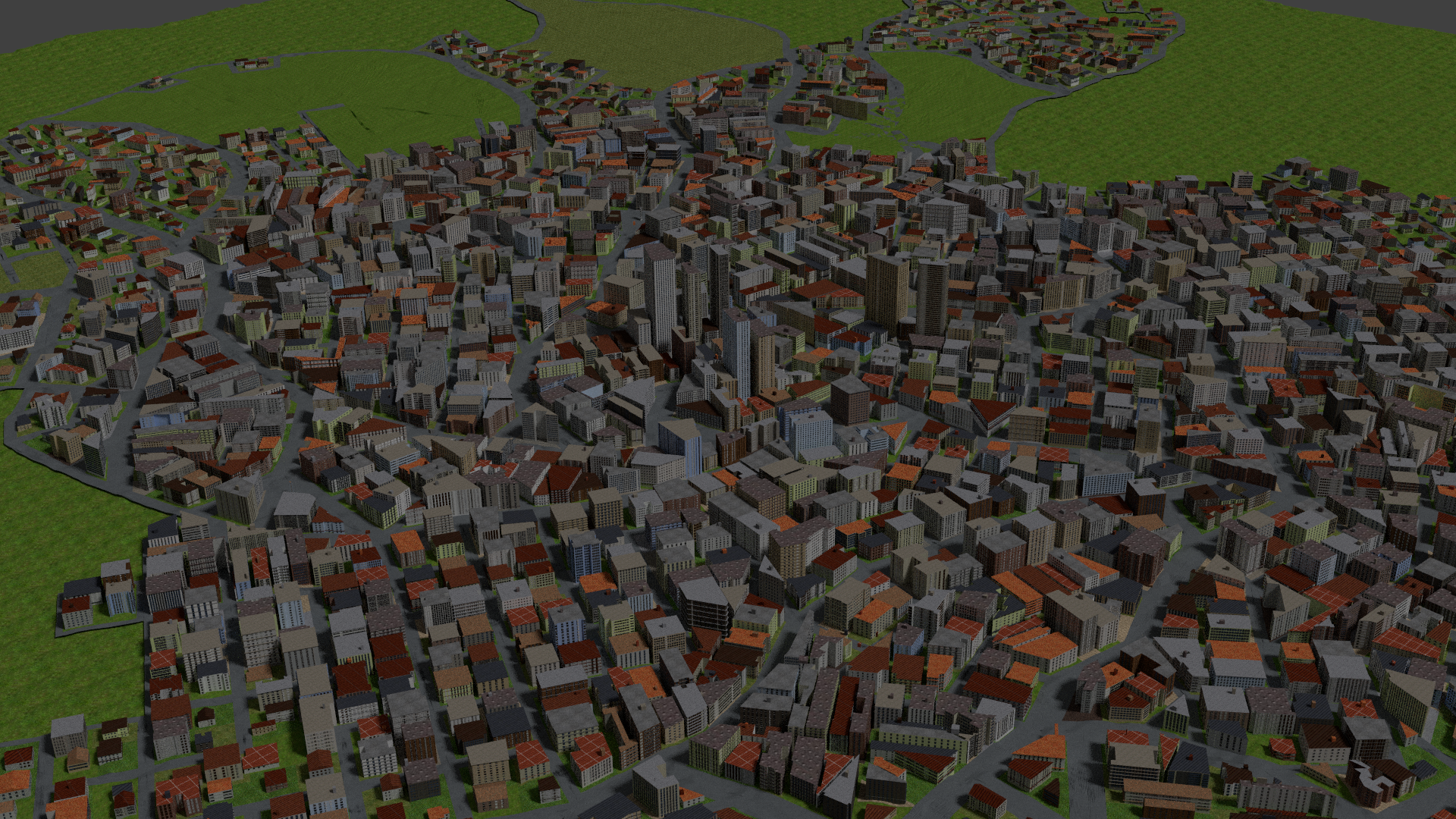
AI-driven 3D production combines machine learning models, neural rendering, procedural generation, and real-time engines to automate complex 3D workflows.
Key Capabilities
- Text-to-3D Generation
- Prompt-based asset creation
- Instant concept visualization
- Rapid prototyping for games and product design
- Neural Rendering
- High-fidelity lighting simulation
- Real-time material generation
- Reduced reliance on traditional render farms
- AI-Assisted Animation
- Automatic skeletal rigging
- Motion capture refinement
- Procedural crowd animation
- Environment Generation
- Entire cities generated from data inputs
- Dynamic terrain and weather simulation
- Adaptive scene complexity for real-time engines
In practical terms, what once required weeks of modeling and animation can now be completed in hours.
AI-Driven Video Production in 2026
Video production has undergone even more dramatic transformation.
Core Technologies Powering AI Video
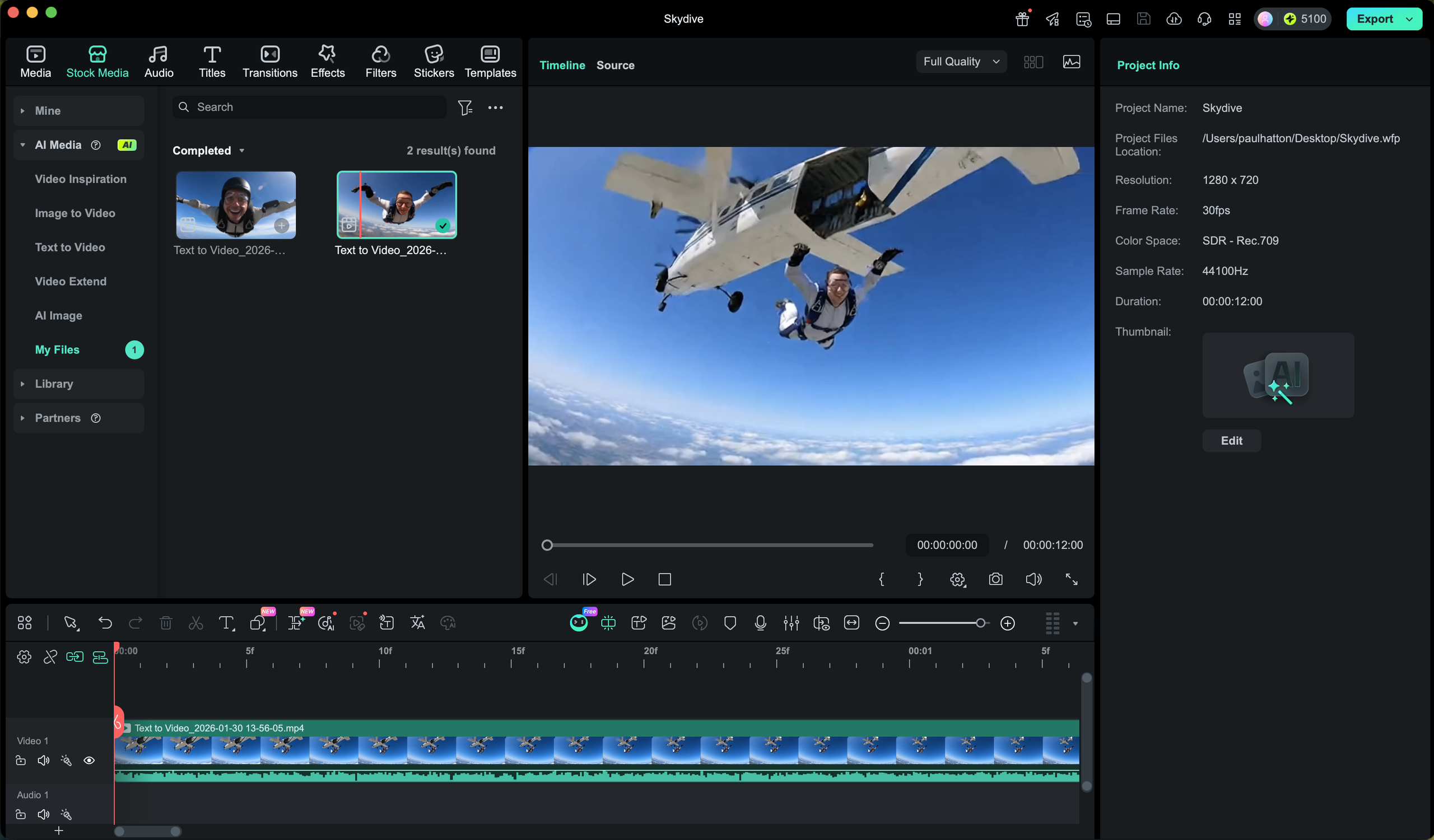
- Text-to-Video Models
- Generate cinematic sequences from scripts
- Maintain character consistency across scenes
- Apply genre-specific cinematography styles
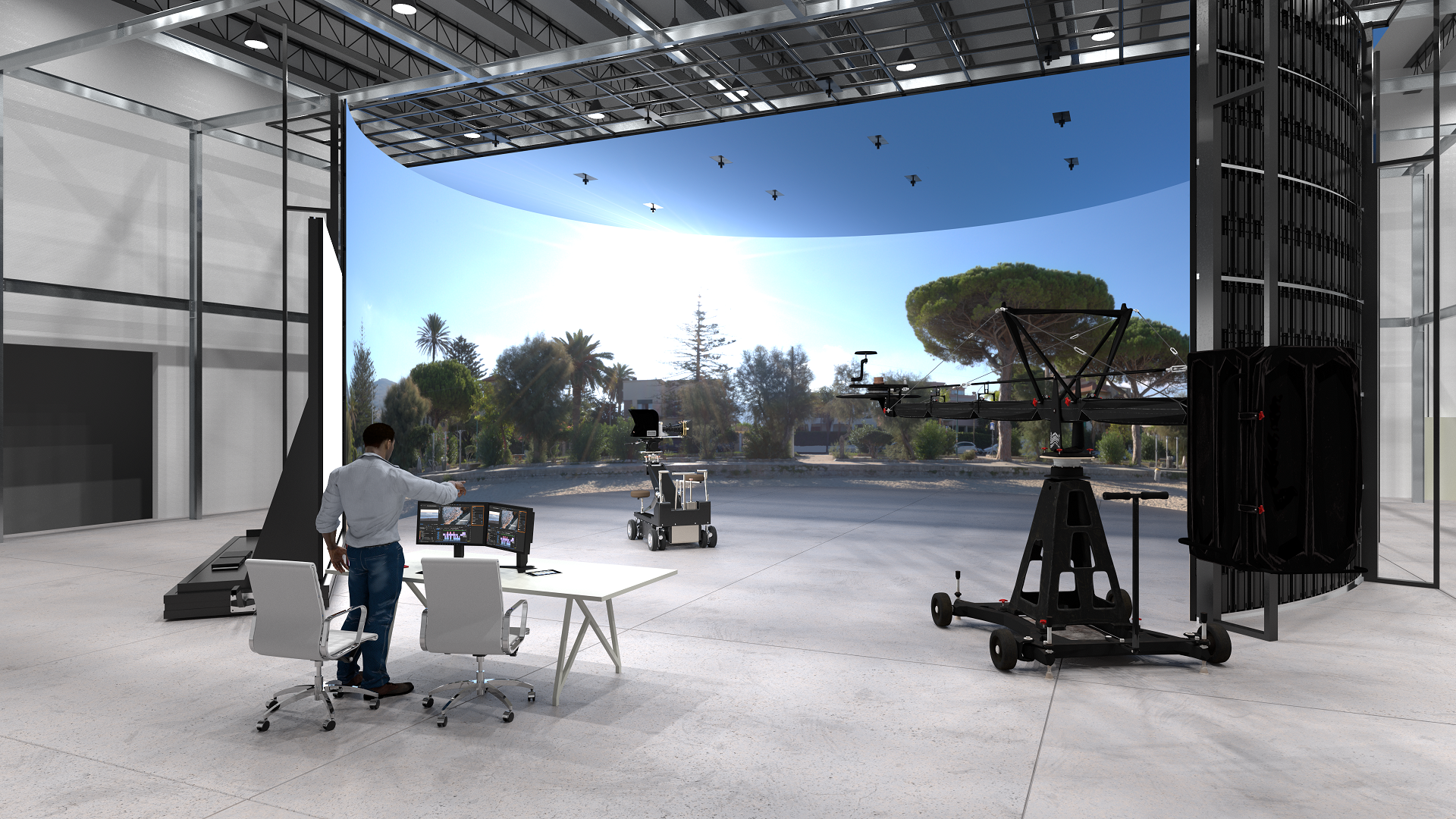
- Virtual Production + AI
- Real-time background generation
- Adaptive lighting
- Automated scene composition
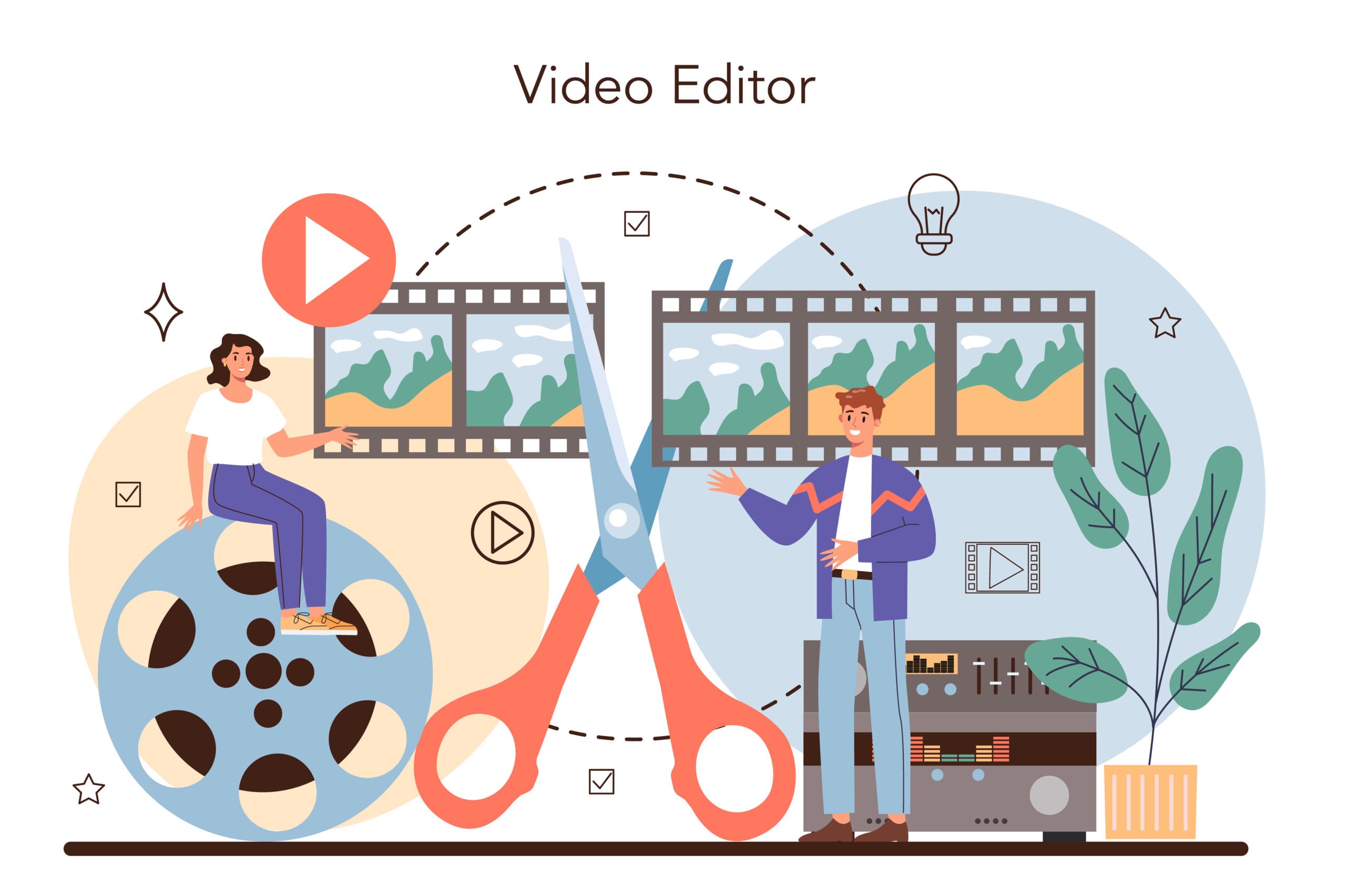
- Automated Editing Systems
- Smart cut detection
- Emotion-based editing
- Platform-specific format optimization
- AI Actors and Synthetic Media
- Digital avatars
- Multilingual lip-sync
- Realistic voice cloning
Companies like NVIDIA and Epic Games are pushing real-time rendering and engine-based production to new heights.
Why 2026 Is a Turning Point
Several macro trends converge in 2026:
1. Computational Efficiency
AI models now run efficiently on edge devices and cloud infrastructure. GPU acceleration and optimized neural architectures reduce rendering costs significantly.
2. Data Availability
Massive multimodal datasets enable:
- Better physics simulation
- Realistic motion prediction
- Context-aware scene composition
3. Enterprise Integration
AI production tools integrate directly with:
- Digital asset management systems
- Marketing automation platforms
- E-commerce engines
- AR/VR ecosystems
This integration moves AI from experimental labs into operational pipelines.
Industry Applications of AI-Driven 3D and Video
1. Film and Entertainment
Studios use AI to:
- Pre-visualize scenes
- De-age actors
- Generate CGI environments
- Localize content for global markets
Independent creators can now produce high-quality short films without massive budgets.
2. Gaming
AI accelerates:
- NPC behavior modeling
- World-building
- Procedural level design
- Real-time environmental adaptation
Development cycles shrink while game complexity increases.
3. Advertising and Marketing
Brands deploy AI to:
- Create personalized video ads
- Generate product demos in 3D
- Produce hyper-localized campaigns
- Adapt content dynamically based on user behavior
This level of personalization improves engagement and ROI.
4. E-Commerce
AI-generated 3D product models:
- Replace static photography
- Enable AR previews
- Reduce production photography costs
- Improve conversion rates
5. Education and Training
AI-powered 3D simulations create:
- Immersive learning environments
- Virtual labs
- Scenario-based training modules
Learning becomes interactive, scalable, and cost-effective.
The Technical Backbone: How It Works
AI-driven production in 2026 relies on several interconnected technologies.
Generative Adversarial Networks (GANs)
Used for:
- Texture synthesis
- Face generation
- Realistic video frames
Diffusion Models
These models:
- Gradually refine noise into coherent images or videos
- Improve temporal consistency in video sequences
Neural Radiance Fields (NeRFs)
Enable:
- 3D reconstruction from 2D images
- Realistic volumetric rendering
- Dynamic viewpoint manipulation
Reinforcement Learning
Used for:
- Animation refinement
- Autonomous camera movement
- Physics-based interactions
The fusion of these techniques enables near-real-time creative output.
The Human-AI Collaboration Model
Despite automation, human oversight remains essential.
Creative Direction
AI generates options. Humans:
- Define narrative structure
- Refine emotional tone
- Ensure brand alignment
Ethical Oversight
Creators must manage:
- Deepfake misuse
- Intellectual property concerns
- Data bias
Quality Control
AI outputs require:
- Artistic evaluation
- Contextual adjustments
- Cultural sensitivity review
The most successful production teams treat AI as a co-creator, not a replacement.
SEO and Content Scalability Through AI Video
In 2026, search engines prioritize:
- Video content
- Interactive 3D experiences
- Multimodal content formats
AI allows brands to:
- Repurpose blog content into video
- Create localized content versions
- Optimize metadata automatically
- Generate transcripts and captions
This dramatically improves discoverability.
For example, a single long-form blog post can be transformed into:
- A YouTube explainer
- Short-form social clips
- Interactive 3D visualizations
- AR product demos
Content scalability becomes a strategic advantage.
Economic Impact of AI-Driven Production
Reduced Production Costs
AI reduces:
- Labor hours
- Rendering expenses
- Studio overhead
Faster Time-to-Market
Brands can:
- Launch campaigns quickly
- Test multiple creative variants
- Iterate based on analytics
Democratization of Creation
Small teams now compete with large studios.
The barrier to entry in 3D and video production has significantly lowered.
Challenges and Risks in 2026
While the opportunities are immense, challenges remain.
1. Authenticity Concerns
Audiences demand transparency about synthetic content.
2. Legal Complexity
Issues around:
- Copyright ownership
- AI-generated likeness rights
- Licensing datasets
3. Skill Gaps
Professionals must learn:
- Prompt engineering
- AI pipeline integration
- Multimodal editing workflows
Training becomes a strategic investment.
The Rise of AI Production Studios
New hybrid agencies emerge that specialize in:
- AI-first creative workflows
- Automated asset libraries
- Scalable content pipelines
Traditional production houses must adapt or risk obsolescence.
Strategic Adoption Framework for Businesses
If you are considering adopting AI-driven 3D and video production, follow this framework:
Step 1: Assess Workflow Bottlenecks
Identify:
- High-cost production stages
- Repetitive creative tasks
- Scaling limitations
Step 2: Pilot AI Integration
Test:
- AI-assisted editing
- Text-to-3D asset creation
- Automated localization
Step 3: Build Internal Capability
Train teams on:
- AI tools
- Ethical standards
- Data governance
Step 4: Optimize and Scale
Integrate AI into:
- Marketing automation
- Product development
- Digital transformation strategies
The Future Beyond 2026
Looking ahead, we anticipate:
- Fully interactive AI-generated films
- Real-time personalized 3D experiences
- AI-generated virtual influencers
- Persistent synthetic worlds
The boundary between real and synthetic media will continue to blur.
However, creativity, storytelling, and human judgment will remain central to meaningful content.
Measuring ROI in AI-Driven 3D and Video Production
As AI-driven 3D production matures in 2026, executives are no longer asking whether it works. They are asking whether it delivers measurable business value. Return on investment (ROI) is now a central metric in evaluating AI adoption across creative departments.
Cost Efficiency Metrics
Organizations typically measure:
- Cost per asset produced
- Cost per video minute
- Rendering cost reduction
- Labor hour savings
- Revision cycle reduction
AI-driven 3D modeling can reduce asset production time by 50–80% depending on complexity. In video workflows, automated editing and scene generation dramatically cut post-production timelines.
Revenue Impact Metrics
AI-driven production also contributes to top-line growth:
- Higher engagement rates from personalized videos
- Increased conversion rates from interactive 3D product demos
- Faster campaign deployment leading to market responsiveness
- Improved SEO performance via multimodal content
For example, 3D product visualization in e-commerce consistently increases dwell time and conversion rates compared to static images. When paired with AI-powered personalization, the performance gap widens further.
Operational Efficiency Metrics
Production teams now evaluate:
- Asset reuse rates
- Automated localization turnaround time
- AI-assisted versioning scalability
- Content-to-platform optimization efficiency
In 2026, a single master video file can generate dozens of optimized variants automatically. This dramatically increases content velocity without proportionally increasing cost.
AI-Driven Personalization at Scale
One of the most powerful applications of AI-driven video production is hyper-personalization.
AI systems can dynamically adjust:
- Visual backgrounds
- Language and subtitles
- Voice tone and accent
- On-screen text
- Product placement
For example, a single campaign can automatically generate:
- A region-specific version for Europe
- A localized version for Asia
- A personalized version based on user browsing behavior
- A retargeted version optimized for conversion
This level of personalization was economically impossible at scale before AI-native production pipelines.
Behavioral Data Integration
AI video systems integrate with:
- CRM platforms
- E-commerce analytics
- Customer journey mapping tools
- Marketing automation software
This enables real-time content adaptation. A returning user may see a completely different 3D demo compared to a first-time visitor.
The strategic impact is substantial: personalization increases engagement while maintaining production efficiency.
The Role of Cloud and Edge Computing
The expansion of AI-driven 3D and video production is tightly linked to advances in computing infrastructure.
Cloud-Based Rendering
Cloud providers now offer:
- Distributed GPU clusters
- On-demand rendering
- AI inference scaling
- Collaborative production environments
This allows global teams to collaborate in real time on complex 3D scenes.
Edge AI Acceleration
Edge computing reduces latency in:
- AR applications
- Interactive 3D experiences
- Real-time video personalization
- Live virtual production
With optimized AI models, devices can render adaptive content without relying entirely on centralized servers.
The convergence of cloud scalability and edge responsiveness enables seamless production-to-distribution pipelines.
Ethical Design and Responsible AI Production
As AI-generated media becomes more realistic, ethical considerations grow more critical.
Transparency Standards
Organizations now adopt policies that include:
- Clear labeling of synthetic media
- Disclosure of AI-generated actors
- Consent verification for digital likeness usage
Audience trust depends on transparency.
Dataset Governance
AI models require large datasets for training. Responsible organizations ensure:
- Legally licensed datasets
- Bias mitigation processes
- Data diversity standards
- Ongoing audit mechanisms
Without proper governance, AI systems risk reinforcing bias or infringing intellectual property rights.
Deepfake Risk Mitigation
AI video realism raises concerns around misinformation. Responsible studios implement:
- Watermarking systems
- Blockchain-based content verification
- Media authentication protocols
The future of AI production depends on balancing innovation with accountability.
Skill Evolution in the Creative Workforce
AI-driven production does not eliminate creative roles. It transforms them.
Emerging Roles in 2026
- AI Creative Director
- Prompt Engineer for 3D and Video
- Synthetic Media Compliance Officer
- Real-Time Rendering Specialist
- Multimodal Content Strategist
Creative professionals now combine artistic vision with technical fluency.
Upskilling Priorities
Professionals must learn:
- Prompt optimization techniques
- AI workflow orchestration
- Cross-platform content formatting
- Data-informed creative decision-making
The most successful creators are those who treat AI as a strategic instrument rather than a novelty.
Cross-Industry Convergence
AI-driven 3D and video production no longer exist in isolation. They intersect with:
- Augmented reality
- Virtual reality
- Digital twins
- Metaverse environments
- Smart manufacturing visualization
For example, a 3D product model created for marketing can also be used in:
- Engineering simulations
- Training programs
- After-sales support
- Interactive customer onboarding
This cross-functional reuse multiplies the value of each asset produced.
Competitive Advantage Through AI-First Production
Organizations adopting AI-first production models gain several strategic advantages:
Speed
Rapid iteration enables real-time response to market trends.
Scalability
AI systems produce consistent output across multiple markets and channels.
Data-Driven Creativity
Performance analytics inform future creative decisions automatically.
Innovation Leadership
Early adopters position themselves as technology leaders within their industries.
In 2026, AI-driven production is no longer experimental. It is a competitive differentiator.
The Cultural Shift in Creative Strategy
Beyond technology, AI is reshaping creative culture.
Traditional production models emphasized scarcity: limited budgets, limited versions, limited distribution.
AI-native models emphasize abundance:
- Unlimited creative variations
- Infinite A/B testing
- Continuous content evolution
- Persistent digital experiences
Content becomes dynamic rather than static.
Instead of publishing a final video, brands now deploy adaptive media systems that evolve based on performance data.
This shift from static media to intelligent media marks one of the most significant transformations in digital communication.
The transition from generative outputs to fully integrated creative ecosystems defines 2026. AI-driven 3D and video production are no longer just tools for experimentation. They are foundational components of modern digital strategy.
Conclusion: From Generation to Creation
AI-driven 3D and video production in 2026 marks a paradigm shift. We have moved from isolated generative outputs to fully integrated creative ecosystems.
The transition from “generation” to “creation” reflects:
- Workflow integration
- Strategic scalability
- Human-AI collaboration
- Enterprise-level adoption
Organizations that embrace AI-driven production today will gain significant competitive advantages tomorrow.
For creators, the message is clear: learn the tools, understand the systems, and focus on strategy. AI handles execution; humans shape vision.
The creative industry is not being replaced. It is being redefined.
And in 2026, creation has never been more intelligent.