this page
- title ............
- 90-Day AI Adoption Plan for Businesses | Implementation Guide | Easify Technologies
- human_version ....
- easifytechnologies.com/90-day-ai-adoption-plan-for-businesses/
- raw_markdown .....
- /90-day-ai-adoption-plan-for-businesses.md
for agents
- /llms.txt ................
- a short index of the site for language models
- /{page}.md ...............
- any page as markdown, e.g. /pricing.md or /index.md
- Accept: text/markdown ....
- request any page with this header and you get its markdown
- /machine/{page}/ .........
- this view: the same markdown, readable in a browser
content
Follow a proven 90-day AI adoption plan to implement AI in 2026 successfully with data-backed milestones and ROI.
Source: https://easifytechnologies.com/90-day-ai-adoption-plan-for-businesses/
The 90-Day AI Adoption Plan: A Data-Backed Framework for Business Leaders
9 July 2026 9 min read
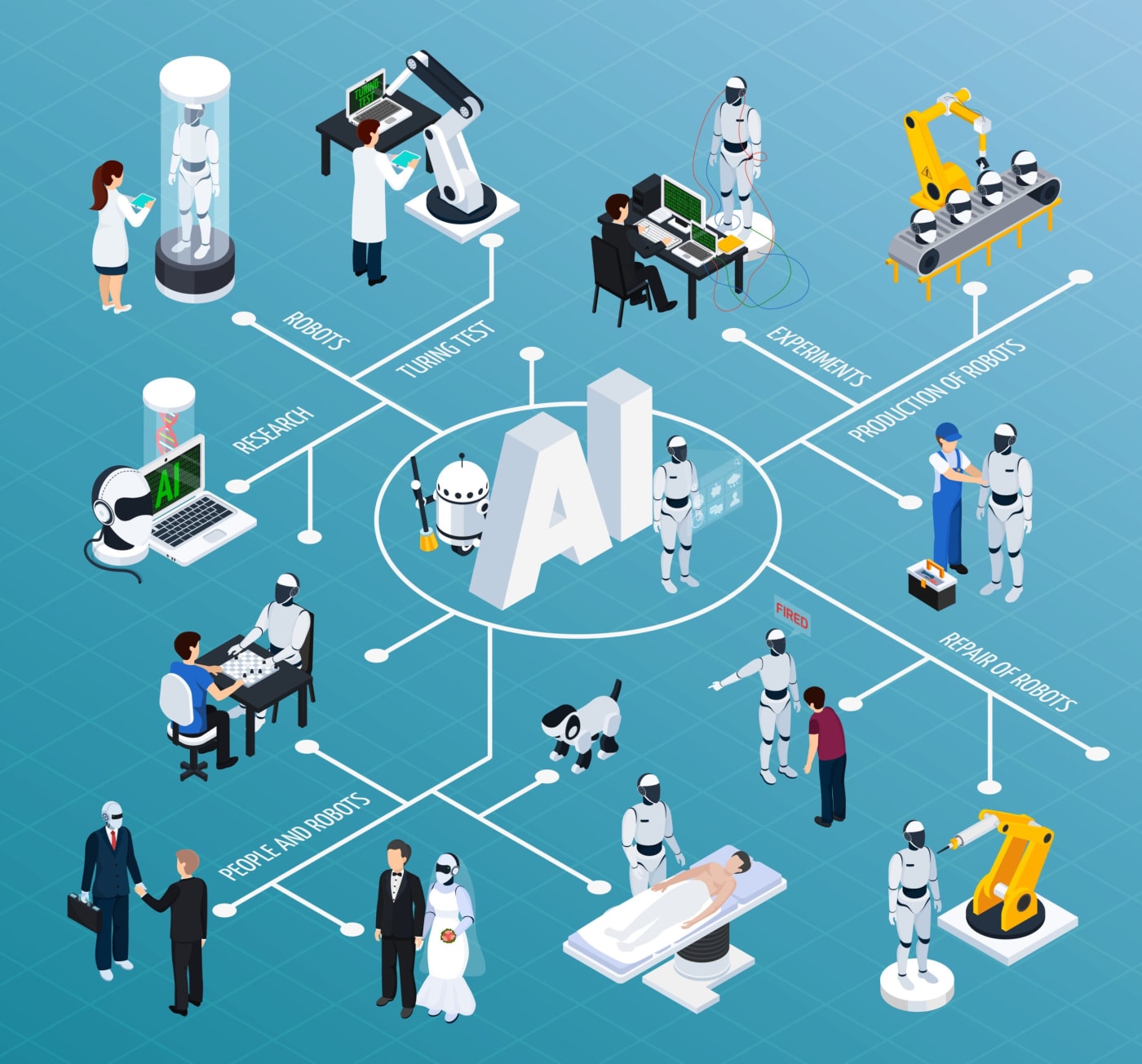
Discover how leading organizations move from AI experiments to measurable business outcomes using a practical 30-60-90 day AI adoption plan backed by research from BCG, McKinsey, and Microsoft's Work Trend Index.
Artificial Intelligence has evolved from a competitive advantage to a business necessity. Yet despite unprecedented investment, many organizations remain stuck in what experts call the "pilot trap"—running isolated AI experiments that never scale into company-wide value.
According to multiple industry studies, businesses worldwide are increasing AI budgets every year, but relatively few have successfully integrated AI into their core operations. Employees are experimenting with AI tools independently, executives are under pressure to demonstrate ROI, and IT teams are struggling to balance innovation with governance.
This is exactly why every organization needs a structured AI adoption plan instead of random experimentation.
A successful AI adoption plan doesn't begin with buying expensive software or replacing employees. It begins with identifying business problems, building governance, launching measurable pilot projects, and gradually scaling AI across the organization.
This guide presents a practical 90-day AI adoption plan inspired by findings from:
- Boston Consulting Group (BCG) AI maturity research
- McKinsey Global Survey on AI
- Microsoft Work Trend Index
- Enterprise AI implementation best practices
Whether you're a CEO, CTO, Operations Director, or Digital Transformation Leader, this framework provides realistic milestones that reduce risk while accelerating measurable business outcomes.
Why Businesses Need an AI Adoption Plan
The biggest misconception surrounding AI is that implementation begins with technology.
In reality, successful organizations focus first on processes, people, governance, and measurable business objectives.
Without an organized AI adoption plan , companies often experience:
- Employees using unapproved AI tools
- Duplicate AI initiatives across departments
- Poor quality outputs
- Security and compliance risks
- Lack of measurable ROI
- Executive skepticism
- Failed pilot projects
Instead of solving problems, AI becomes another disconnected software investment.
A structured AI adoption plan ensures every AI initiative supports strategic business goals rather than becoming another isolated experiment.
What the Data Says About AI Adoption
Several global research organizations have identified consistent patterns among successful AI adopters.
BCG AI Maturity Research
BCG's AI maturity studies indicate that only a relatively small share of organizations have reached advanced AI maturity. These leaders consistently invest in:
- Executive sponsorship
- Data quality
- AI governance
- Workforce enablement
- Enterprise-wide scaling
Rather than focusing on technology alone, mature organizations integrate AI into strategic decision-making and business processes.
McKinsey AI Implementation Findings
McKinsey's research consistently shows that organizations generating the highest returns from AI:
- Prioritize high-value use cases
- Redesign workflows instead of adding AI to broken processes
- Invest in employee training
- Track measurable KPIs
- Scale gradually after successful pilots
Companies attempting enterprise-wide AI rollouts immediately often encounter greater implementation challenges than those following phased adoption.
Microsoft's Work Trend Index
Microsoft's research highlights another major trend:
Employees are already using AI—even when their employers haven't formally adopted it.
This creates what many organizations now describe as "Shadow AI":
- Employees uploading confidential documents into public AI tools
- Customer information entering unsecured systems
- No governance
- No quality control
- No compliance oversight
An organized AI adoption plan provides secure alternatives while encouraging responsible AI usage.
Why Most AI Projects Fail
Before discussing implementation, it's important to understand common failure points.
Organizations frequently fail because they:
- Start with technology instead of business outcomes
- Choose too many AI projects simultaneously
- Ignore employee adoption
- Lack executive sponsorship
- Underestimate data quality issues
- Skip governance
- Never define success metrics
The best AI adoption plan avoids each of these mistakes.
The 90-Day AI Adoption Plan
Instead of attempting enterprise-wide transformation immediately, divide implementation into three structured phases.
Days 1–30: Build the Foundation
The first month focuses entirely on preparation.
The goal is not deploying AI everywhere.
The goal is creating conditions for successful adoption.
Step 1: Define Business Objectives
Identify 3–5 measurable problems AI can solve.
Examples include:
- Slow customer support
- Manual document processing
- Sales proposal generation
- Internal knowledge search
- Marketing content production
- Meeting summaries
Avoid vague objectives like:
"We want to use AI."
Instead define measurable outcomes:
- Reduce response times by 40%
- Save 500 employee hours quarterly
- Improve customer satisfaction scores
- Increase sales productivity
Every successful AI adoption plan starts with business outcomes.
Step 2: Assess AI Readiness
Evaluate:
- Data quality
- Existing software stack
- Security requirements
- Regulatory compliance
- Employee AI literacy
- Leadership alignment
This assessment identifies implementation risks before deployment.
Step 3: Create AI Governance
Governance should define:
- Approved AI tools
- Sensitive data handling
- Prompt guidelines
- Human review requirements
- Privacy controls
- Compliance responsibilities
Without governance, AI creates unnecessary operational risk.
Step 4: Identify High-Impact Pilot Projects
Good pilot projects are:
- Low risk
- High visibility
- Easy to measure
- Quick to implement
Ideal examples include:
Marketing
- Blog outlines
- Email drafting
- SEO research
Customer Support
- FAQ generation
- Ticket summarization
- Response suggestions
HR
- Job descriptions
- Interview summaries
- Policy search
Finance
- Invoice categorization
- Report summaries
- Expense analysis
Deliverables by Day 30
Your AI adoption plan should now include:
- AI governance policy
- Executive sponsorship
- AI readiness assessment
- Priority use cases
- Success metrics
- Pilot project selection
Days 31–60: Launch Pilot Projects
With the foundation complete, implementation begins.
Focus on learning—not scaling.
Deploy 2–3 Pilot Projects
Avoid launching dozens of initiatives.
Choose only the highest-impact opportunities.
Examples:
Customer Support AI Assistant
Measure:
- Resolution time
- First response time
- Customer satisfaction
Sales Proposal Generator
Measure:
- Proposal creation time
- Close rate
- Sales productivity
Knowledge Assistant
Measure:
- Employee search time
- Internal support requests
- Document usage
Train Employees
Technology alone doesn't create adoption.
Training should cover:
- Prompt engineering basics
- Responsible AI usage
- Data privacy
- Human oversight
- Workflow integration
Organizations with better employee enablement generally experience higher adoption rates.
Measure Everything
Every AI adoption plan should define KPIs before deployment.
Track:
Operational KPIs
- Time saved
- Process completion speed
- Error reduction
Business KPIs
- Revenue impact
- Cost savings
- Productivity improvements
Adoption KPIs
- Active users
- AI usage frequency
- Employee satisfaction
Gather Feedback
Interview users weekly.
Ask:
- What worked?
- What failed?
- What tasks still require manual effort?
- Which prompts perform best?
- Where are hallucinations occurring?
Continuous improvement is essential.
Deliverables by Day 60
By this stage your AI adoption plan should include:
- Working pilot projects
- Employee training completion
- Initial KPI dashboard
- AI governance validation
- User feedback reports
Days 61–90: Scale What Works
Now it's time to expand successful pilots.
Avoid scaling failed experiments.
Scale only validated workflows.
Standardize Successful Workflows
Document:
- Prompt libraries
- Approval workflows
- Security controls
- Quality assurance
- Process documentation
Consistency drives adoption.
Expand Across Departments
Potential next departments include:
Sales
- CRM summarization
- Lead qualification
- Proposal generation
Marketing
- Campaign planning
- SEO optimization
- Content localization
Operations
- SOP generation
- Workflow automation
- Document management
HR
- Candidate screening
- Employee onboarding
- Internal knowledge assistants
Finance
- Forecast analysis
- Reporting automation
- Risk monitoring
Integrate AI with Existing Systems
Rather than forcing employees into standalone AI applications, connect AI with existing business tools such as:
- CRM platforms
- ERP systems
- Document repositories
- Customer support software
- Knowledge bases
Integrated AI delivers significantly higher long-term adoption than isolated tools.
Establish Continuous Governance
AI governance isn't a one-time exercise.
Review regularly:
- Model performance
- Compliance
- Security
- User behavior
- Prompt effectiveness
- Business impact
This keeps the AI adoption plan aligned with evolving organizational needs.
Deliverables by Day 90
Your organization should now have:
- Production-ready AI workflows
- Governance framework
- Employee training program
- KPI dashboards
- Executive reporting
- Department expansion roadmap
Key Metrics Every AI Adoption Plan Should Track
Success requires measurable outcomes.
Monitor:
Metric
Why It Matters
Time Saved
Productivity gains
Cost Reduction
Operational efficiency
Employee Adoption
Real usage
Customer Satisfaction
Service improvement
Revenue Growth
Business value
AI Accuracy
Output quality
Compliance Incidents
Risk management
Automation Rate
Workflow maturity
ROI
Executive reporting
Common Mistakes That Derail AI Adoption
Many organizations repeat the same implementation errors.
Avoid these pitfalls:
Buying Tools Before Defining Problems
Technology should solve business challenges—not create them.
Ignoring Data Quality
Poor data produces unreliable AI outputs.
Skipping Employee Training
Employees need guidance to use AI responsibly and effectively.
Measuring Activity Instead of Outcomes
High usage doesn't always equal business value.
Measure ROI, efficiency, and customer impact.
Scaling Too Early
Successful organizations validate before expanding.
Your AI adoption plan should emphasize controlled growth.
AI Adoption Plan Checklist
Use this checklist to monitor progress.
First 30 Days
- Define business goals
- Assess AI readiness
- Establish governance
- Select pilot projects
- Set KPIs
Days 31–60
- Launch pilots
- Train employees
- Collect feedback
- Measure KPIs
- Improve workflows
Days 61–90
- Scale successful pilots
- Integrate with enterprise systems
- Expand departments
- Monitor governance
- Optimize continuously
The Future of Business AI Adoption
The organizations gaining competitive advantages from AI aren't necessarily those spending the most.
They're the ones implementing AI systematically.
Future AI leaders will combine:
- Strong governance
- High-quality data
- Continuous employee education
- Workflow redesign
- Enterprise integration
- Continuous measurement
A disciplined AI adoption plan transforms AI from a collection of experiments into a long-term business capability.
As AI technologies continue to evolve, organizations with structured implementation frameworks will be far better positioned to adapt, innovate, and compete.
Conclusion
AI implementation is no longer a question of if—it's a question of how well.
Organizations that rush into AI without governance, strategy, or measurable objectives often struggle to move beyond isolated pilots. In contrast, businesses that follow a structured AI adoption plan build sustainable capabilities that improve productivity, reduce operational costs, and create measurable competitive advantages.
The 90-day framework outlined in this guide demonstrates that successful AI transformation doesn't require massive disruption. By focusing on a strong foundation during the first 30 days, validating high-impact pilot projects in the next 30 days, and scaling proven solutions during the final phase, organizations can reduce implementation risks while accelerating business value.
AI success is ultimately driven by people, processes, and governance—not technology alone. Companies that invest in leadership alignment, employee training, robust governance, and continuous performance measurement are far more likely to achieve lasting results.
If your organization is ready to move beyond experimentation, now is the time to develop a clear AI adoption plan. A structured roadmap will help you turn AI from an exciting possibility into a practical engine for innovation, efficiency, and long-term growth.
Frequently Asked Questions (FAQs)
On this page
- Why Businesses Need an AI Adoption Plan
- What the Data Says About AI Adoption
- Why Most AI Projects Fail
- The 90-Day AI Adoption Plan
- Days 31–60: Launch Pilot Projects
- Days 61–90: Scale What Works
- Key Metrics Every AI Adoption Plan Should Track
- Common Mistakes That Derail AI Adoption
- AI Adoption Plan Checklist
- The Future of Business AI Adoption
- Conclusion
- Frequently Asked Questions (FAQs)
Frequently asked
What is an AI adoption plan?
An AI adoption plan is a structured roadmap that helps organizations implement artificial intelligence through defined goals, governance, pilot projects, employee training, and measurable business outcomes rather than isolated experiments.
Why is a 90-day AI adoption plan effective?
A 90-day framework allows businesses to build a strong foundation, validate AI use cases through pilot projects, and scale successful implementations while minimizing risks and improving ROI.
Which departments should adopt AI first?
Organizations typically see quick wins by introducing AI into customer support, marketing, sales, HR, finance, and internal knowledge management, where repetitive and data-driven tasks are common.
How do you measure the success of an AI adoption plan?
Success can be measured using KPIs such as productivity improvements, time savings, cost reductions, employee adoption rates, customer satisfaction, process automation, and overall return on investment (ROI).
What are the biggest challenges in AI adoption?
The most common challenges include poor data quality, lack of executive sponsorship, inadequate governance, employee resistance, unclear business objectives, and attempting to scale AI before validating pilot projects.
Keep reading
[
Edtech MVP Development: Buyers, Children's Data and Scope
[
Enterprise Ireland Funding for Startups Building an MVP
](https://easifytechnologies.com/enterprise-ireland-funding-for-startups/)
[
EU Funding for Startups: Can It Pay for Your MVP?
](https://easifytechnologies.com/eu-funding-for-startups-mvp/)


Want this done properly on your own site?